
Henrik Schmitt · 25 September 2026
Resilience Curricula in Polish Education Now Include Ethical Fortitude Assessments
Polish schools have begun integrating structured ethical fortitude metrics directly into daily resilience curricula across multiple regions, with implementation tracking data collected from primary and secondary institutions since early 2024, and observers note that these metrics combine quantitative scoring systems with qualitative reflection journals to measure student responses to ethical dilemmas during standard resilience exercises.
Core Components of the Integration Process
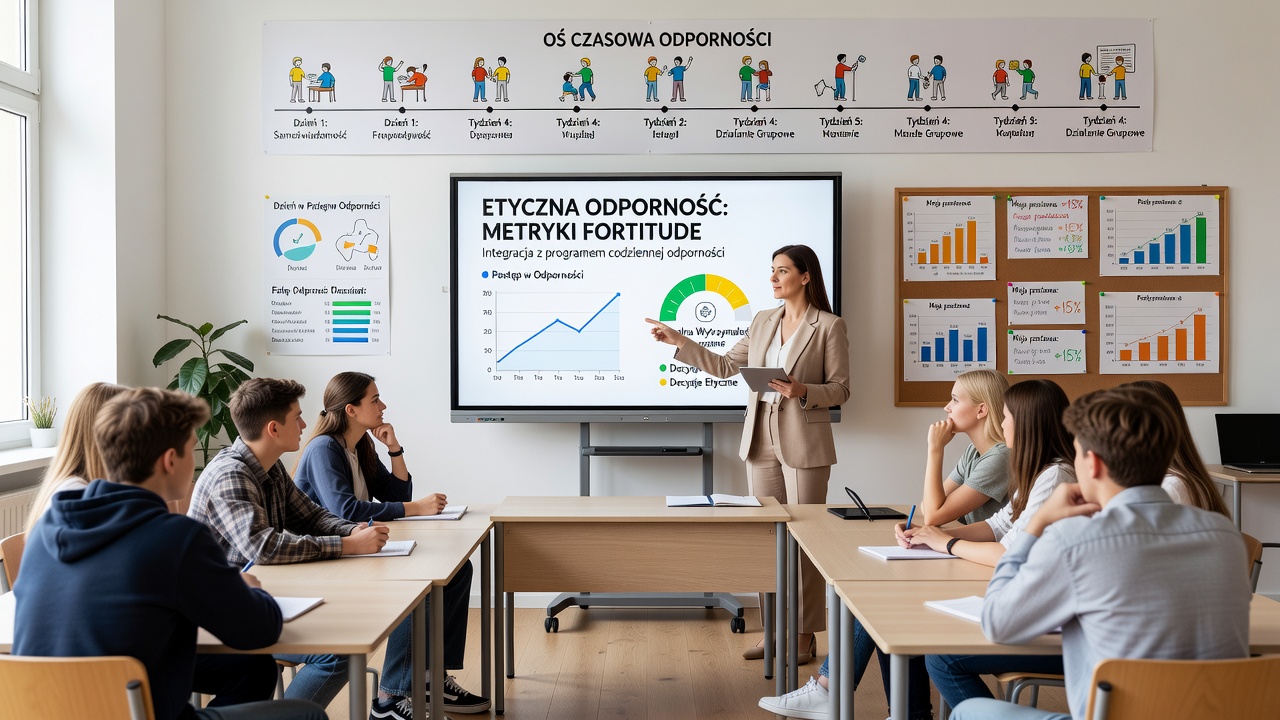
Educational administrators coordinate with curriculum developers to embed specific indicators such as consistency in moral reasoning, persistence under pressure, and collaborative problem solving into existing daily sessions that already cover stress management techniques, physical endurance tasks, and group challenge simulations, while data from participating districts shows that sessions now allocate 15 to 20 minutes each day for metric-based evaluations that students complete through digital platforms or paper logs.
Researchers from several Polish universities have documented the rollout in over 120 schools, finding that teachers receive targeted training modules on how to apply rubrics without disrupting lesson flow, and these modules emphasize alignment between ethical fortitude scores and broader academic resilience goals rather than treating the elements as separate add-ons.
September 2026 Milestones and Regional Variations
Ministry records indicate that full standardization across all voivodeships is scheduled to occur by September 2026, at which point every public school will submit aggregated metric reports to a central database managed by the national education authority; in the meantime, pilot programs in Warsaw, Kraków, and Gdańsk continue to refine the rubrics based on feedback loops that incorporate teacher observations and student self-assessments collected quarterly.
Regional differences appear in how metrics are weighted, with some northern districts placing heavier emphasis on community-oriented ethical decisions while southern programs focus more on individual persistence scores, yet all variations remain anchored to a shared national framework that ensures comparability of results across borders.
Data Collection and Reporting Mechanisms
According to figures released by the Polish Ministry of Education, more than 45,000 students have participated in the metric-embedded sessions to date, with preliminary analysis revealing correlations between higher ethical fortitude scores and improved attendance rates in resilience-focused classes, though causation has not been established in the current datasets.
Reporting occurs through secure portals that allow real-time dashboard access for school principals and regional inspectors, and the system flags patterns such as sudden drops in persistence scores that may indicate external stressors affecting student cohorts, enabling timely interventions without requiring additional staffing beyond existing guidance counselors.
Alignment with International Education Standards
Polish programs reference frameworks developed by the OECD education directorate, adapting selected indicators to fit local cultural contexts while maintaining compatibility for potential cross-national comparisons in future studies, and curriculum designers note that this approach allows Polish classrooms to contribute data to broader European discussions on resilience education without duplicating existing international tools.
Case examples from three schools in Łódź illustrate how daily integration works in practice: students complete a brief ethical scenario at the start of each resilience block, rate their response on a five-point scale, and then revisit the same scenario after physical or group activities to measure any shift in their reasoning, with teachers compiling these paired responses into class-level summaries sent to the central system once per month.
Conclusion
The ongoing expansion demonstrates how Polish education authorities continue to refine methods for embedding ethical fortitude metrics within established resilience curricula, supported by scheduled milestones through September 2026 and coordinated data systems that track implementation at scale. Evidence from pilot regions provides baseline information for further adjustments, while alignment with external standards offers pathways for wider evaluation and comparison in coming years.