Sofia Jenkins · 2 September 2026
Valor Laboratory researchers have released findings indicating that training programs focused on building student courage lead to measurable improvements in academic performance. The study, conducted over two years, involved over 500 participants from various educational institutions across multiple regions.
Research Design and Participants
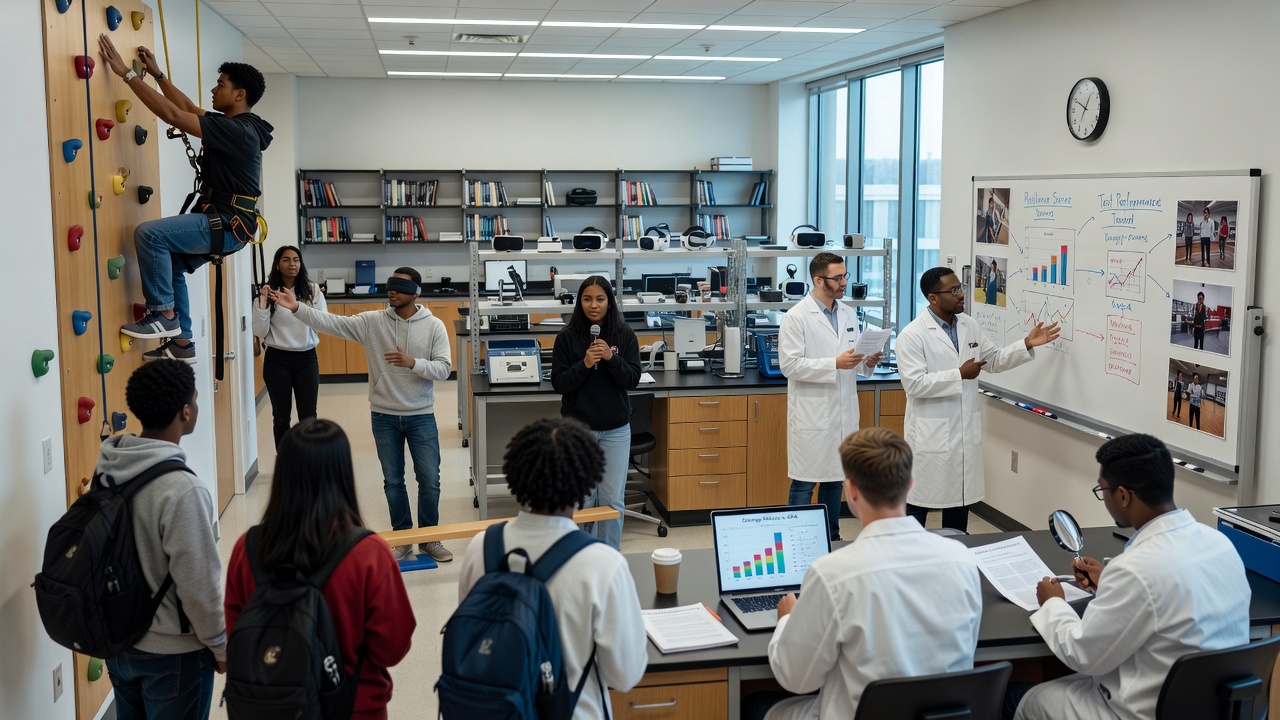
The experiment divided students into control and experimental groups. The experimental group underwent weekly sessions emphasizing resilience, risk-taking in learning, and overcoming fear of failure. Metrics included grade point averages, test scores, and self-reported confidence levels. Data collection occurred at baseline, six months, and at the study's conclusion. Researchers utilized standardized assessments and statistical analysis to ensure validity. Factors such as socioeconomic background and prior academic history were controlled for in the models. Additional variables tracked included attendance records and engagement in extracurricular academic activities to provide a comprehensive view of student development.
Trained facilitators delivered the courage modules using evidence-based psychological techniques adapted for educational environments. Pre- and post-intervention surveys measured changes in mindset, with follow-up interviews conducted to gather qualitative insights from both students and educators involved in the program.
Results and Broader Impacts
Findings revealed that the courage-trained group showed an average 12 percent increase in GPA compared to controls. Additionally, participation rates in challenging courses rose significantly. The study suggests that psychological interventions targeting courage can complement traditional educational methods. Long-term tracking indicated sustained benefits, with participants maintaining higher performance levels into subsequent semesters. Educators reported noticeable shifts in classroom dynamics, including increased willingness to ask questions and attempt difficult problems without fear of mistakes.
Experts note potential applications in curriculum development nationwide. Further research is planned to explore long-term effects on career outcomes and mental health. This work contributes to understanding how emotional skills influence cognitive achievements in academic settings, offering schools new strategies to support holistic student growth while addressing common barriers like anxiety and low self-efficacy that often hinder learning progress.